
IGI vs GIA and the Lab Created Diamond Buzz: What You Really Need to Know
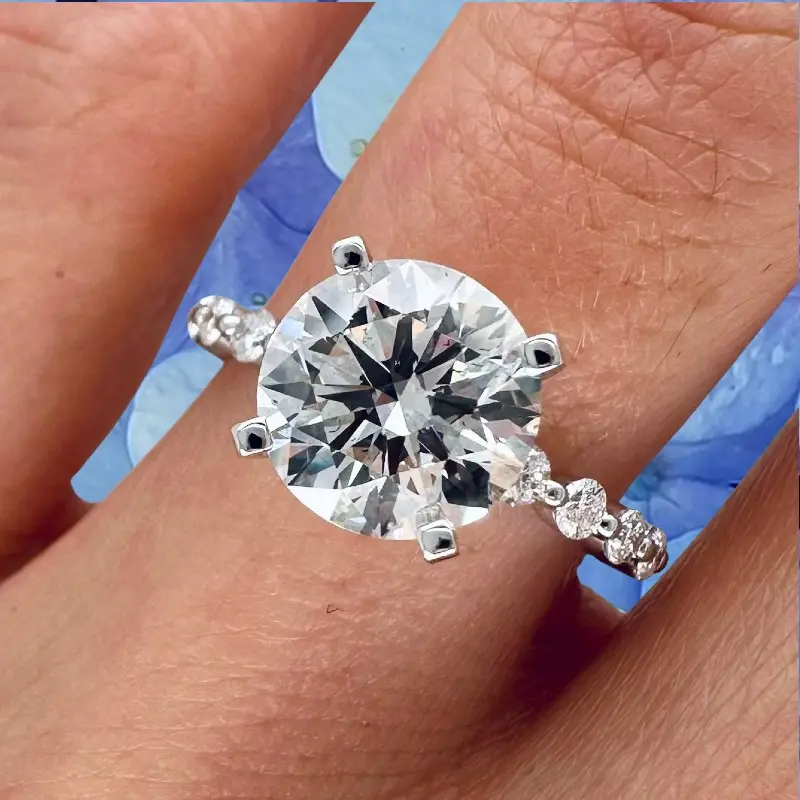
When you’re buying a diamond—whether natural or lab created—you’ll quickly stumble into a confusing world of letters. igi vs gia. Certificates. Reports. Numbers that look like secret codes. And let’s be honest, unless you work in the jewellery industry, most of it feels like a different language.
So here’s the real question: how much does IGI vs GIA actually matter when you’re looking at lab created diamonds? And what’s the best way to cut through all the noise?
Diamonds and the Story Behind the Paper
Think about it. When was the last time someone showed you their engagement ring and said, “Oh, and by the way, it’s GIA certified”? Probably never.
Most people just say, “It’s a 2-carat, I love it.”
But here’s the catch: the paper that comes with the diamond—the grading report—does matter. It’s not about bragging rights at dinner. It’s about knowing you’re actually getting what you paid for.
GIA (Gemological Institute of America) has been the gold standard for decades. If you want traditional, established, super-strict grading, GIA is your guy.
IGI (International Gemological Institute), on the other hand, was once seen as more “relaxed.” But here’s the twist: IGI became the main grader for lab created diamonds. And now, they’ve upped their game big time.
It’s kind of like Coke vs Pepsi. Some people swear one tastes better. Others genuinely can’t tell the difference.
IGI vs GIA for Lab Created Diamonds – Why It Feels Complicated
Here’s where it gets interesting.
GIA used to focus mainly on natural diamonds. So, for a while, if you wanted a lab created stone graded, IGI was the more accessible option. They leaned into it, became the go-to, and built a reputation for lab grown grading.
But now? GIA grades lab created diamonds too. And they’ve made their reports look nearly identical for natural and lab stones. Which is cool—but also confusing for buyers.
So what’s the difference?
Strictness – GIA is famously tough. Some say they shave a little off grades. For example, what IGI might call “Excellent Cut,” GIA could downgrade to “Very Good.”
Market perception – GIA still holds more prestige. If you care about resale or long-term value, GIA might feel safer.
Availability – Many lab created diamonds still come with IGI reports. It’s not bad—it’s just what most retailers stock.
Bottom line? IGI vs GIA doesn’t make or break your diamond. But it does affect how confident you’ll feel showing that report to a jeweller years from now.
What’s Trending: People Actually Love Lab Diamonds
Let’s step back for a sec. The real story isn’t just IGI vs GIA. It’s that lab created diamonds are exploding in popularity.
Why?
They’re more affordable. (You can snag a 2-carat lab for the price of a 1-carat natural.)
They’re eco-friendly—or at least, marketed that way. No big mines, less guilt.
They look identical to natural. Seriously, no one can tell without fancy lab equipment.
And honestly, couples today care more about the moment than the report. If a lab created diamond means you can go bigger, shinier, or save money for the honeymoon? Most people are totally in.
One of my friends went with a 3-carat lab diamond. IGI certified. Gorgeous stone. And you know what people said? “Wow, it’s huge!” Not one person asked about the certificate.
Local Angle: Why It Matters Where You Shop
Here’s something not everyone thinks about—where you buy matters just as much as what certificate the diamond has.
If you’re in a big city, chances are you’ll see both IGI and GIA lab created diamonds in stores. Online? Even more options. But the vibe changes depending on the seller.
High-end jewellers often push GIA because it feels more “official.”
Direct-to-consumer brands love IGI because it’s quicker and keeps prices sharp.
Some boutique shops even mix both, letting you decide what feels right.
It’s kind of like buying wine. You can go fancy with a big-name French vineyard (GIA) or try a new-world winery (IGI) that’s winning fans fast. Both taste great—it just depends on your style.
How the Certification Process Works (Without the Jargon)
Okay, let’s strip it back. Here’s what actually happens when a lab created diamond gets certified:
The diamond is sent to a lab—GIA or IGI.
Experts look at the Four Cs: Cut, Color, Clarity, Carat.
They also check if it’s natural or lab created.
They write up a report with all the details.
That report gets linked to your stone, sometimes with a microscopic number laser-etched on the girdle.
That’s it. It’s like an official “stats card” for your diamond. Nothing glamorous, but it gives peace of mind.
One tip? Always double-check that the certificate number matches the stone. If it doesn’t, that’s a red flag.
So, Which Should You Choose?
Here’s the thing. If you’re torn between IGI vs GIA for a lab created diamond, don’t overthink it.
Want prestige and long-term recognition? Go GIA.
Want more options, faster turnaround, and probably better prices? IGI works just fine.
At the end of the day, the sparkle doesn’t change. The proposal doesn’t change. The memories don’t change.
And let’s face it—your partner won’t say “yes” because of a certificate. They’ll say yes because of you.
Final Thoughts
Lab created diamonds have already changed the game. And while the IGI vs GIA debate adds another layer of complexity, it’s not something to lose sleep over.
Both are respected. Both give you confidence. Both make sure you’re not buying cubic zirconia off eBay by mistake.
So buy the stone that feels right. Choose the report that makes you comfortable. And remember: diamonds—whether natural, lab grown, IGI, or GIA—are really just the backdrop for your story.


