
Diamond vs Moissanite: Which Gemstone is Right for You?
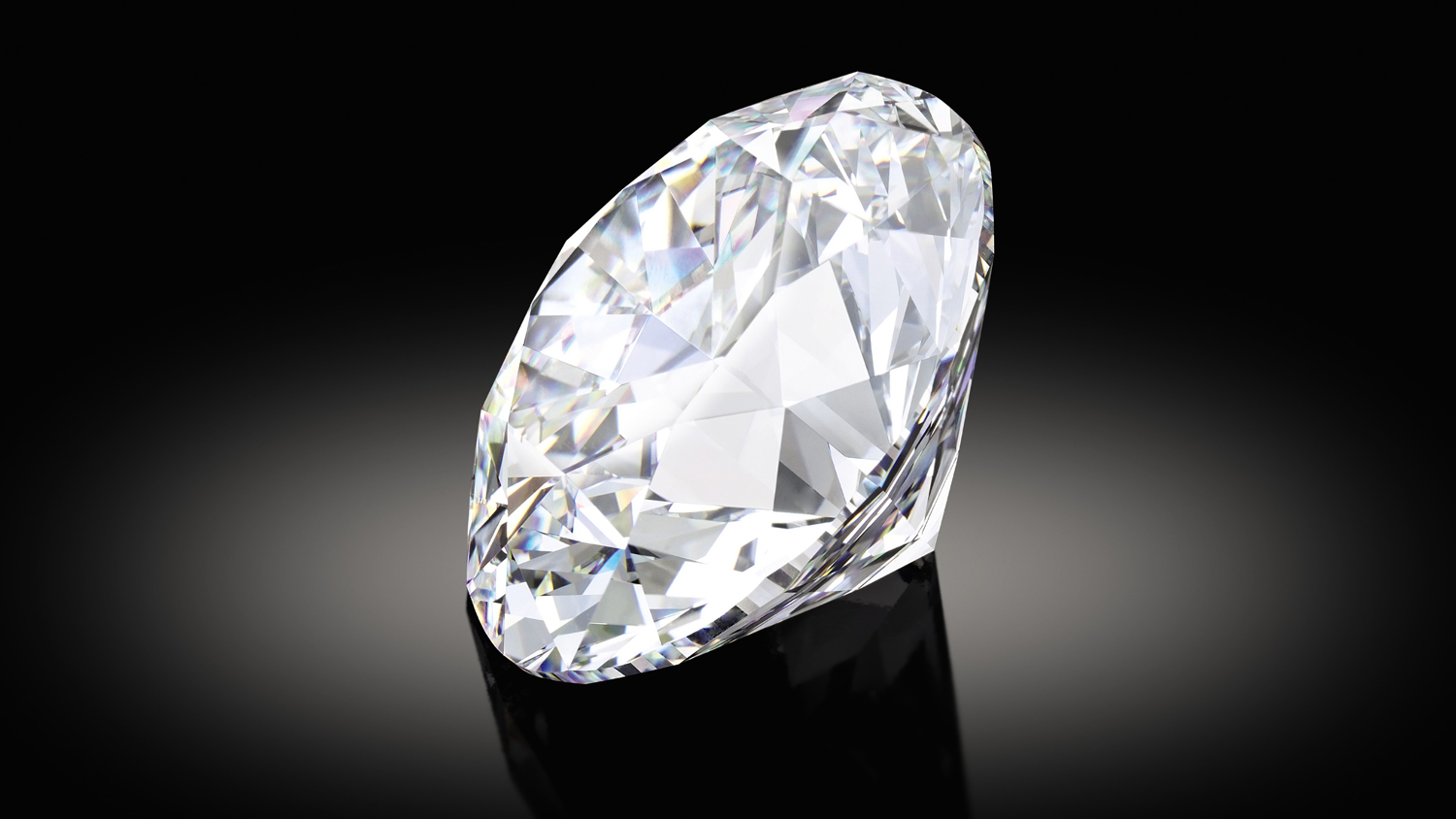
When it comes to choosing a gemstone for engagement rings, fine jewelry, or special gifts, the classic choice has long been the diamond. However, in recent years, moissanite has surged in popularity as an alternative that offers many of the same visual qualities at a significantly lower cost. If you’re trying to decide between these two gemstones, understanding their differences in appearance, durability, price, and ethical considerations can help you make an informed decision.
Origins and Composition
Diamonds are made of pure carbon, crystallized under extreme pressure and temperature over billions of years deep within the Earth. Natural diamonds are mined, though lab-grown diamonds have become increasingly popular. Lab-grown diamonds are chemically identical to natural ones but are created in controlled environments.
Moissanite, on the other hand, is composed of silicon carbide. Natural moissanite is extremely rare—so rare that all moissanite used in jewelry today is lab-created. It was first discovered in a meteor crater in 1893 by French scientist Henri Moissan, hence the name.
Though they may look similar at first glance, diamond vs moissanites are distinctly different materials with unique properties.
Appearance: Sparkle and Brilliance
The brilliance of a gemstone—its sparkle—comes from how it reflects light. Here’s where moissanite truly stands out.
-
Diamonds offer a classic, understated sparkle. Their brilliance is more white and subtle. Their refractive index (RI) is around 2.42, which contributes to a clear, sharp shine that many associate with luxury.
-
Moissanite has a higher refractive index of 2.65–2.69, which means it bends light more than a diamond. This creates a fiery rainbow-like sparkle that some people find more brilliant and eye-catching. However, some critics say it can look too “disco ball-like” or artificial in certain lighting.
Color is another consideration. Natural diamonds are graded on a scale from D (colorless) to Z (light yellow or brown). High-quality diamonds are prized for their lack of color. Moissanites are generally near-colorless but may exhibit a slight yellow or gray tint in certain lights, especially in larger stones.
Hardness and Durability
Both stones are very durable, making them suitable for everyday wear, such as in engagement rings.
-
Diamonds are the hardest known natural material, scoring a 10 on the Mohs hardness scale. This means they are highly resistant to scratches and are extremely durable over time.
-
Moissanite is also very hard, scoring a 9.25 on the Mohs scale. While slightly softer than diamonds, moissanite is still harder than other popular gemstones like sapphires or rubies and performs well in daily wear.
While diamonds are slightly more scratch-resistant, moissanite offers excellent durability for most lifestyles.
Cost Comparison
One of the biggest reasons people choose moissanite over diamonds is cost.
-
A 1-carat diamond can range from $4,000 to over $10,000 depending on quality (cut, clarity, color).
-
A 1-carat moissanite typically costs between $300 and $600, regardless of color or clarity since all moissanites are lab-created.
This price difference allows couples to either save significantly or opt for a larger stone without breaking the bank. The affordability of moissanite has made it an appealing option for modern, budget-conscious consumers.
Ethical and Environmental Impact
Another key consideration for many buyers is the ethical sourcing and environmental impact of their gemstone.
-
Natural diamonds have been associated with conflict and unethical mining practices, often referred to as “blood diamonds.” While the Kimberley Process was established to reduce the trade of conflict diamonds, it has been criticized for its lack of oversight and loopholes.
-
Lab-grown diamonds are a more ethical alternative, though they still consume significant energy to produce.
-
Moissanites, being exclusively lab-grown, are considered highly ethical and sustainable. Their production leaves a much smaller environmental footprint, and there’s no concern about human rights violations.
For environmentally conscious or ethically minded consumers, lab grown diamonds, moissanite often stands out as the more responsible choice.
Resale Value and Tradition
While moissanite may offer brilliance and value, diamonds still lead in tradition and resale value.
-
Diamonds have a strong secondary market. Though resale prices are usually lower than retail, diamonds hold intrinsic value and are widely recognized as a long-term investment.
-
Moissanite, due to being lab-created and far less costly, does not have a strong resale market. It’s seen more as a fashion purchase than a lasting investment.
For buyers who value tradition, heritage, and investment potential, diamonds may still hold the edge.
Final Thoughts
Choosing between a diamond and moissanite ultimately comes down to your priorities:
-
If you value tradition, timeless appeal, and strong resale value, a diamond may be worth the investment—especially if you can afford higher-quality options or prefer a natural gemstone.
-
If you’re looking for brilliance, affordability, and ethical sourcing, moissanite offers a stunning alternative that doesn’t compromise on appearance or durability.
In today’s jewelry market, there’s no right or wrong choice—just the one that best suits your values, budget, and style.


